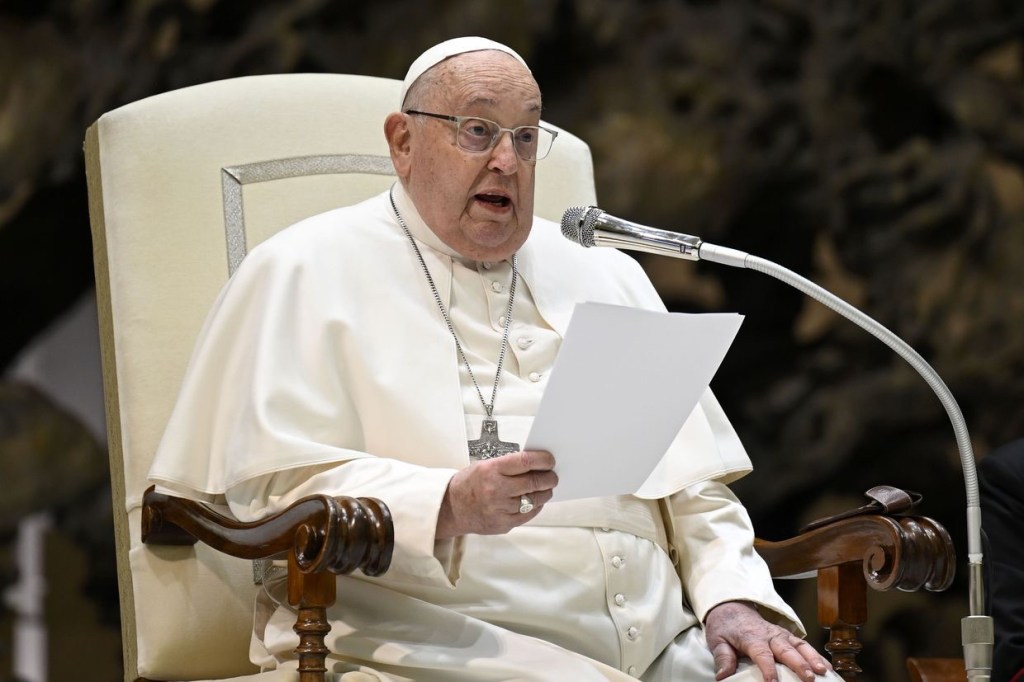
On Easter Monday, the world mourned the passing of His Holiness Pope Francis, a leader whose tenure spanned 12 transformative years for the Catholic Church and the global community at large. His Holiness not only guided his flock through spiritual matters but also sought to address pressing social issues such as climate change, migration, and global inequality. As the Catholic Church grapples with this profound loss, questions arise about its future direction amid an increasingly polarised world.
Pope Francis’s papacy was characterised by his commitment to inclusivity and dialogue, embracing a diverse array of cultures and perspectives within the global Catholic congregation. He often emphasised the importance of listening to marginalised voices, promoting a Church that reflects the rich tapestry of humanity. His approach was not without its challenges, especially as he navigated the complexities of modernity, including the impact of secularism and the shifting values across societies.
As we move forward without his guiding presence, the question remains: what now for the Catholic Congregation worldwide? The selection of a new pope will be critical in shaping the future of the Church. At a time when the world is witnessing unprecedented levels of division—exacerbated by political tensions and conflicts—many hope for a leader who can foster healing and unity both within the Church and beyond.
The current geopolitical landscape poses significant challenges. In the United States, the divisive rhetoric surrounding President Donald Trump has created a chasm within society, making it increasingly difficult to find common ground. This environment has seeped into religious communities, where differing political ideologies often overshadow shared spiritual beliefs. A new pope must recognise this reality and work towards bridging these divides, promoting a message of compassion and understanding to counteract the polarisation that has become all too familiar.
Internationally, the situation remains dire, particularly in regions grappling with conflict and humanitarian crises. The ongoing war in Ukraine, driven by Russian aggression, has devastated countless lives. Meanwhile, the situation in Gaza, marked by violence and suffering, presents another stark reminder of the plight of the vulnerable. The Church has a role to play in advocating for peace, justice, and reconciliation in these turbulent times.
In this context, a new pontiff could usher in a renewed commitment to social justice and humanitarian outreach, echoing the principles that Pope Francis so passionately championed. The need for a leader who can inspire action and galvanise the faithful toward service and advocacy is paramount. It is a call for the Church to transcend its historical boundaries and engage more deeply with the world, addressing the pressing issues of our time with empathy and resolve.
Moreover, the diversity within the Catholic Church—encompassing different cultures, languages, and traditions—requires a pope who can appreciate and celebrate this richness. The next leader of the Catholic Church must be adept at navigating these complexities, fostering an environment where all voices are heard and valued. This inclusive approach is essential for nurturing a sense of belonging among the faithful, allowing them to feel connected not only to their local communities but also to the universal Church.
As we reflect on the legacy of Pope Francis, we are reminded of his unwavering commitment to peace, love, and understanding. His passing marks the end of an era, but it also serves as a poignant reminder of the work that lies ahead. The Catholic congregation stands at a crossroads, with the potential for renewal and growth in the face of adversity.
In conclusion, while the challenges facing the Catholic Church and the world at large are significant, there remains hope for healing and reconciliation. The selection of a new pope will be pivotal in steering the Church towards a future marked by compassion, unity, and a renewed commitment to social justice. May Pope Francis rest in peace, and may his legacy inspire a new generation of leaders to continue the work of building bridges in a divided world.
 Killeigh Media