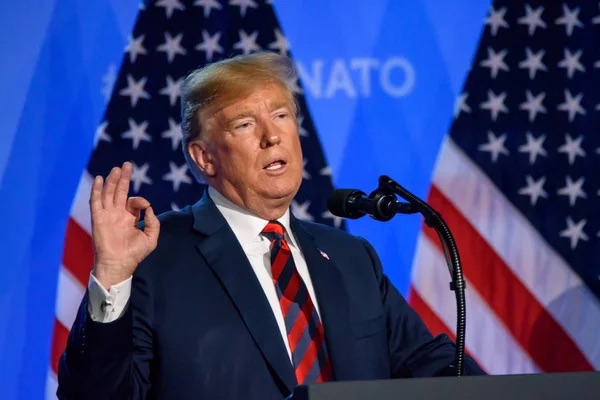
Donald Trump is a name that evokes a spectrum of emotions, opinions, and controversies. From his tenure as the 45th and 47th President of the United States to his various business ventures, Trump has captivated and polarised public opinion. However, one of the most intriguing aspects of his life has been his relationship with money—specifically, his financial strategies that often blur the lines between entrepreneurship and grifting. This article explores Trump’s history of stiffing creditors, the bankruptcy of his businesses, and the ongoing implications of his financial maneuvers.
The Business Landscape: A Brief Overview
Donald Trump entered the business world in the late 1970s, inheriting a substantial real estate fortune from his father, Fred Trump. Over the decades, he expanded his portfolio to include hotels, casinos, and golf courses, all while cultivating a larger-than-life persona. However, Trump’s business practices have often raised eyebrows and prompted scrutiny.
Stiffing Creditors
One of the most prominent features of Trump’s financial history is his notorious habit of stiffing creditors. The term “stiffing” refers to failing to pay debts or obligations, and Trump’s track record in this regard is extensive. Over the years, numerous contractors, suppliers, and banks have claimed they were left unpaid or forced to settle for less than what they were owed.
A notable instance occurred in the 1990s when Trump’s Atlantic City casinos faced financial difficulties. His businesses declared bankruptcy multiple times, leading to significant losses for investors and creditors. These bankruptcies were often strategic, allowing Trump to reorganize his debts while protecting his personal wealth. Critics argue that such tactics are emblematic of a grifter mentality—using the system to one’s advantage without regard for ethical considerations.
Bankruptcies: A Pattern of Behavior
Trump’s business ventures have declared bankruptcy six times, which raises fundamental questions about his financial acumen and ethical approach to business. The bankruptcies, primarily involving his casinos, were often described as “restructuring” rather than outright failures. However, they had real consequences for employees, investors, and local economies.
The first of these bankruptcies occurred in 1991, when his Atlantic City casino, the Taj Mahal, was laden with debt. Trump was able to negotiate with creditors for a reduction in the amount owed, ultimately emerging from bankruptcy with a clean slate. This pattern would repeat itself, with Trump using bankruptcies as a shield against financial ruin while continuing to maintain his brand and public image.
These frequent bankruptcies have sparked debate about the ethical implications of leveraging the bankruptcy system. While bankruptcy laws are designed to provide relief for struggling businesses, Trump’s repeated use of this legal avenue raises questions about responsibility and accountability.
The Grift Continues
Even after his presidency, and his run for the White House in 2024, Trump’s financial strategies have not diminished. His ability to galvanize support among his base has translated into significant fundraising success, often through events and merchandise sales that capitalize on his brand. The term “grift” refers to a scheme or con, and Trump’s ongoing fundraising efforts have been characterized by some as a contemporary version of this practice, where his supporters are encouraged to contribute financially without clear accountability or transparency regarding the funds’ ultimate use.
The recent legal issues surrounding Trump, including indictments and civil suits, have not deterred his supporters. In many ways, these challenges have only heightened his appeal as a victim of political persecution, thus serving to further enrich his fundraising capabilities. The cycle of grift appears to be self-sustaining, with Trump leveraging his controversies to maintain a loyal and financially supportive base.
The Legacy of Financial Grifting
As Donald Trump continues to navigate his current presidency landscape, the legacy of his financial practices remains a topic of discussion. While some view him as an astute businessman who has navigated the complexities of the financial world with skill, others see him as a grifter who exploits the system for personal gain. The dichotomy of opinions reflects broader societal divisions regarding ethics, accountability, and the role of money in politics.
Ultimately, Trump’s relationship with money—and the grifting associated with it—serves as a case study in the complexities of modern capitalism. It highlights the fine line between entrepreneurship and deception, raising important questions about the ethical frameworks within which business operates. As Trump continues to navigate the political and financial landscape, one thing remains clear: the art of the grifter is alive and flourishing in contemporary America.
In conclusion, Donald Trump’s financial maneuvers exemplify a well-documented pattern of strategic non-payment, bankruptcy, and ongoing fundraising, all while maintaining a brand that resonates with millions. Whether viewed as an entrepreneurial genius or a skilled grifter, Trump has undeniably left a lasting impact on the intersection of business and politics in America.
 Killeigh Media