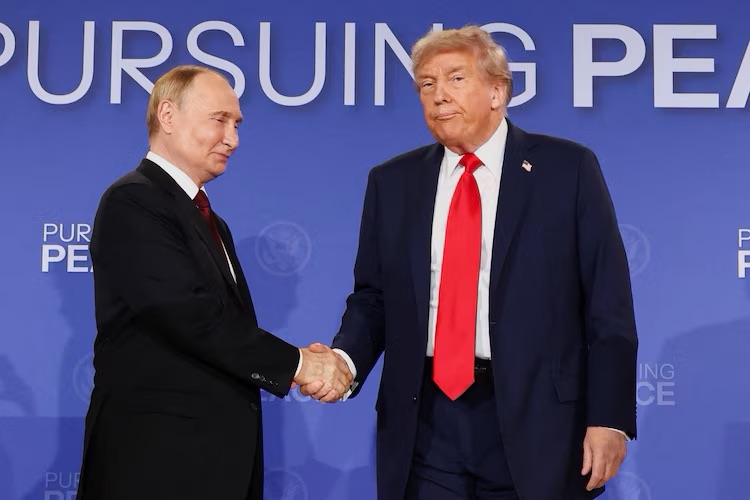
In the ever-evolving landscape of international relations, the implications of strategic decisions often extend far beyond the immediate consequences. Today, I find myself compelled to address a matter of grave concern that has emerged from my recent observations and conversations with credible sources. This concern traces back to a fateful evening several months ago when I first learned about the covert Russian delegation that descended upon the White House—a clandestine meeting that would lay the groundwork for a precarious game of geopolitical chess.

The meeting, which ostensibly aimed to foster dialogue and peace, was underpinned by a more insidious agenda. In the grand theatre of diplomacy, the delegations of President Trump and President Putin orchestrated a facade —a veneer of cooperation designed to placate not only Europe but also Ukraine and the global community. The optics portrayed a commitment to peace, with affable smiles for the cameras and robust rhetoric designed to dominate headlines. However, behind the closed doors, a starkly different narrative unfolded: a calculated strategy to stall, create divisions, and allow the war to persist, unabated.
This “delay game” has profound implications as it becomes increasingly clear that the ramifications of such strategies extend beyond mere political maneuvering. As we witness Russia’s aggressive posturing and violations of the sovereignty of NATO nations, including Poland and Estonia, the withdrawal of U.S. support becomes a deeply concerning reality. The Pentagon’s recent communication to European diplomats regarding a partial halt in military assistance to Baltic nations and NATO states bordering Russia signals a disconcerting shift in U.S. foreign policy. This development raises critical questions about the future of NATO’s collective security commitments and the defence posture of Europe in the face of a resurgent Russia.
It is imperative to recognise that this situation is not merely a matter of military logistics; it is a reflection of a broader ideological and strategic divergence that could reshape the geopolitical landscape for years to come. The ramifications of a weakened NATO presence in Eastern Europe could embolden further Russian aggression, threatening not only the nations directly involved but also the foundational principles of collective defence that underpin the alliance itself.
In this context, one cannot help but reflect on the words of Vice President Kamala Harris, who has consistently raised alarms about the potential consequences of inaction and disengagement in the face of escalating threats. Her assertions, often met with skepticism, now ring with a sense of urgency that demands our attention. The geopolitical chessboard is shifting, and the stakes are alarmingly high.
As we navigate these turbulent waters, it is crucial for policymakers, analysts, and the general public alike to remain vigilant and informed. The complexities of international relations require a multifaceted approach, one that prioritises diplomacy while also ensuring that defensive measures are in place. The time for complacency has long passed; we must engage in a robust dialogue about the implications of our strategic choices and the potential consequences of inaction.
In conclusion, as we stand at this crossroads, it is incumbent upon us to scrutinise the motivations behind the actions of our leaders and to advocate for a foreign policy that upholds the principles of security, cooperation, and mutual respect. The world is watching, and the choices we make today will undoubtedly shape the geopolitical landscape of tomorrow. It is time to confront the reality of the situation with clarity and resolve, for the future of our alliances and the stability of our world depend on it. it is time that the US Congress assert the future of America under a compromised wannabe dictator weakened by the knowledge that Putin may be aware of the contents of the Epstein Files.
 Killeigh Media