
In a startling development that has reverberated across the United Kingdom and beyond, Andrew Mountbatten-Windsor, formerly known as Prince Andrew, has been arrested in connection with an ongoing investigation into sex trafficking and abuse. The ramifications of this event extend far beyond the British monarchy, touching upon the wider context of powerful individuals and their connections to Jeffrey Epstein, the notorious financier and convicted sex offender.
The Arrest: Context and Circumstances
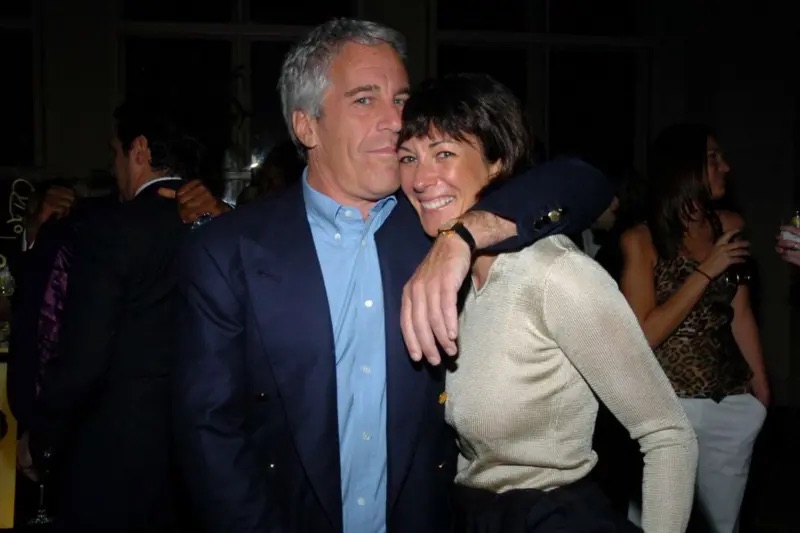
Andrew’s arrest is rooted in allegations that have plagued him for years, particularly following the revelations of Epstein’s extensive network of abuse. The prince has faced scrutiny for his past associations with Epstein and Ghislaine Maxwell, as well as accusations from Virginia Giuffre, who claims she was trafficked to him while underage. The legal landscape surrounding these allegations has shifted in recent years, with increasing pressure on law enforcement to pursue accountability for those involved, regardless of their status.
The arrest of a member of the British royal family marks a significant turning point in the public’s perception of accountability within elite circles. As the investigation unfolds, it raises questions about the potential consequences for Andrew and others connected to Epstein’s network.
The Epstein Files: A Pandora’s Box of Influences
The Epstein files have become synonymous with scandal, revealing a web of influential individuals from various sectors, including politics, finance, and entertainment, who have been implicated in or associated with Epstein. Among them, high-profile names such as former President Donald Trump, former President Bill Clinton, and numerous celebrities have been mentioned.
The connection between Andrew’s arrest and the Epstein files is critical. As investigators delve deeper into the allegations against the prince, there is a growing expectation that this might lead to further inquiries into other individuals listed in the files. The public outcry for transparency and justice is palpable, and the momentum generated by Andrew’s arrest could potentially serve as a catalyst for broader investigations into the connections between Epstein’s network and the elite.
The Broader Implications: Accountability and Justice
The implications of Andrew’s arrest extend far beyond his personal legal challenges. This situation has the potential to reshape discussions about power, privilege, and accountability. For years, the narrative surrounding Epstein and his associates has been one of impunity, where those in positions of power appeared untouchable. However, Andrew’s arrest could signal a shift; a willingness to hold high-profile individuals accountable for their actions.
Moreover, the timing of Andrew’s arrest coincides with a growing movement advocating for survivors of abuse, pushing for systemic changes in how allegations are addressed. The #MeToo movement has sparked significant dialogue regarding the treatment of women and victims of abuse, and Andrew’s arrest may serve as a pivotal moment for emphasising the need for justice in cases involving powerful figures.
Potential Consequences for Other High-Profile Individuals
As the investigation unfolds, speculation abounds regarding whether Andrew’s arrest could lead to further scrutiny of other individuals tied to Epstein. Notably, the inclusion of figures like Donald Trump in the Epstein files raises questions about the potential ramifications for political figures. While it is essential to approach these allegations with caution, the public and media pressure for accountability will likely intensify.
A precedent has been set: the arrest of a royal should not merely be an isolated incident but rather a signal that the veil of protection surrounding the elite is beginning to lift. This could embolden law enforcement and advocates to pursue deeper investigations into the troubling connections that have long gone unchecked.
Conclusion: A Turning Point in the Pursuit of Justice
The arrest of Andrew Mountbatten-Windsor stands as a watershed moment in the ongoing discourse surrounding accountability for powerful individuals. While the implications of his arrest remain to be fully realized , it has undeniably opened the door to a broader conversation about justice for survivors of abuse and the need for transparency in elite networks.
As the investigation progresses, it is crucial that the momentum gained from this arrest is harnessed to ensure that the pursuit of justice does not falter. The stakes are high, and the eyes of the world will be watching closely as this saga unfolds, with the potential for significant changes in how society addresses issues of power, privilege, and accountability. Only time will tell whether Andrew’s arrest serves as the catalyst for a much-needed reckoning or remains an isolated incident in the annals of history.





 Killeigh Media