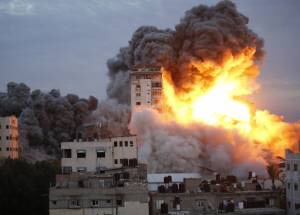
The conflict in Gaza, characterised by its staggering human cost and persistent violence, has escalated to a point that demands urgent and comprehensive international attention. As the Israeli military continues its operations, reports from various humanitarian organisations and eyewitness accounts paint a harrowing picture of the situation on the ground. The relentless slaughter of innocent civilians, particularly children, combined with the blockade that obstructs humanitarian aid, raises critical questions about the conduct of the Israeli forces and the broader implications for human rights in conflict zones.
Escalation of Violence
The current phase of the conflict has seen an alarming increase in hostilities, with military operations resulting in significant civilian casualties. The Israeli army has launched extensive airstrikes, artillery shelling, and ground operations in response to perceived threats posed by militant groups. However, the disproportionate nature of these military actions raises serious ethical concerns. Reports indicate that a substantial portion of the casualties are non-combatants, including women and children, whose lives have been tragically cut short amidst the chaos of war.
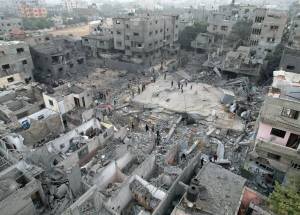
The consequences of such violence extend beyond immediate loss of life. Survivors face profound psychological trauma, loss of family members, and the destruction of their homes and communities. The ongoing violence has created an environment of fear and uncertainty, making it increasingly difficult for families to access basic necessities or seek safety.
Humanitarian Blockade
Compounding the tragedy of violence is the blockade imposed on Gaza, which severely restricts the flow of essential goods and humanitarian aid. Despite the urgent needs of the civilian population, aid trucks are often delayed or denied entry altogether, exacerbating the dire conditions. Hospitals are overwhelmed, lacking essential medical supplies and resources, while families struggle to secure food and clean water. The World Health Organization (WHO) and other humanitarian organisations have raised alarms over the deteriorating health conditions and the lack of medical care for the wounded.
The blockade not only represents a violation of international humanitarian law but also raises ethical questions regarding the responsibility of the Israeli government to protect civilians. The starvation of civilians and the denial of access to vital humanitarian assistance amount to collective punishment, which is prohibited under international law. The situation creates a humanitarian crisis that is both preventable and exacerbated by ongoing military actions.
The Risks for Medical and Aid Workers
The environment in Gaza has become increasingly perilous for medical personnel and humanitarian workers. As fighting intensifies, the risks associated with providing care and delivering aid have escalated dramatically. Reports indicate that hospitals and clinics have been targeted, and medical staff have faced threats, intimidation, and violence. This situation not only endangers the lives of those working to save others but also compromises the health and well-being of countless individuals who rely on their services.
The International Committee of the Red Cross (ICRC) Medicine San Frontier ( Doctors Without Borders) and other humanitarian organizations have expressed grave concerns about the safety of aid workers. The inability to operate safely and effectively in conflict zones can lead to war crimes, as the intentional targeting of medical facilities and personnel violates the principles of medical neutrality and humanitarian law. The consequences of such actions are profound, undermining the very foundations of medical ethics and international humanitarian standards.
A Call for Accountability
As the situation in Gaza continues to unfold, the international community must take a firm stance against the violations of human rights and humanitarian law that are occurring. The relentless slaughter of innocent civilians, the obstruction of humanitarian aid, and the targeting of medical personnel cannot go unchecked. Calls for accountability and justice must be amplified, urging not only the Israeli government to adhere to its obligations under international law but also prompting the global community to hold all parties accountable for their actions.
In conclusion, the humanitarian crisis in Gaza is a dire situation that requires immediate action. The relentless violence and the denial of basic human rights to civilians must be addressed through sustained diplomatic efforts, increased humanitarian aid, and accountability for those responsible for atrocities. The lives of countless innocent people hang in the balance, and it is imperative that the international community responds with urgency and compassion to alleviate their suffering and restore hope for a peaceful resolution to this protracted conflict.


 Killeigh Media