As urban areas continue to grow and evolve, the phenomenon of rent pressure zones has emerged as a critical issue affecting thousands of individuals and families nationwide. Rent pressure zones are designated areas where rental prices have surged, often outpacing wage growth and leading to housing insecurity. With rising costs and stagnant incomes, many residents find themselves in precarious situations, struggling to afford basic living expenses. This article explores strategies to ease rent pressure zones, focusing on sustainable housing solutions that can benefit both landlords and tenants.
Understanding Rent Pressure Zones
Rent pressure zones are typically characterised by high demand, limited housing supply, and rapid increases in rental prices. These zones often coincide with urban centre’s where economic activity is concentrated, leading to an influx of residents seeking proximity to jobs, schools, and amenities. The consequences of prolonged rent pressure can be severe, including increased homelessness, displacement of long-term residents, and the fracturing of community ties.
Policy Interventions
- Rent Control and Stabilisation: One of the most direct methods to alleviate rent pressure is the implementation of rent control measures. These regulations set limits on how much landlords can increase rents annually, providing tenants with greater predictability and stability. However, it is essential to balance these measures with incentives for landlords to maintain and invest in their properties, ensuring that rent control does not lead to a decline in housing quality.
- Inclusionary Zoning: Inclusionary zoning policies require developers to include a percentage of affordable housing units in new residential projects. This approach not only increases the supply of affordable housing but also promotes socioeconomic diversity within neighborhoods. By ensuring that new developments cater to a range of income levels, cities can mitigate the pressure on existing rental markets.
- Housing Grants and Subsidies: Expanding rental grant supports (HAP) can provide immediate relief for low-income renters facing rent pressure. These vouchers help bridge the gap between what households can afford and the prevailing market rents. By increasing funding for such programs, governments can enhance housing stability for vulnerable people
Increasing Housing Supply
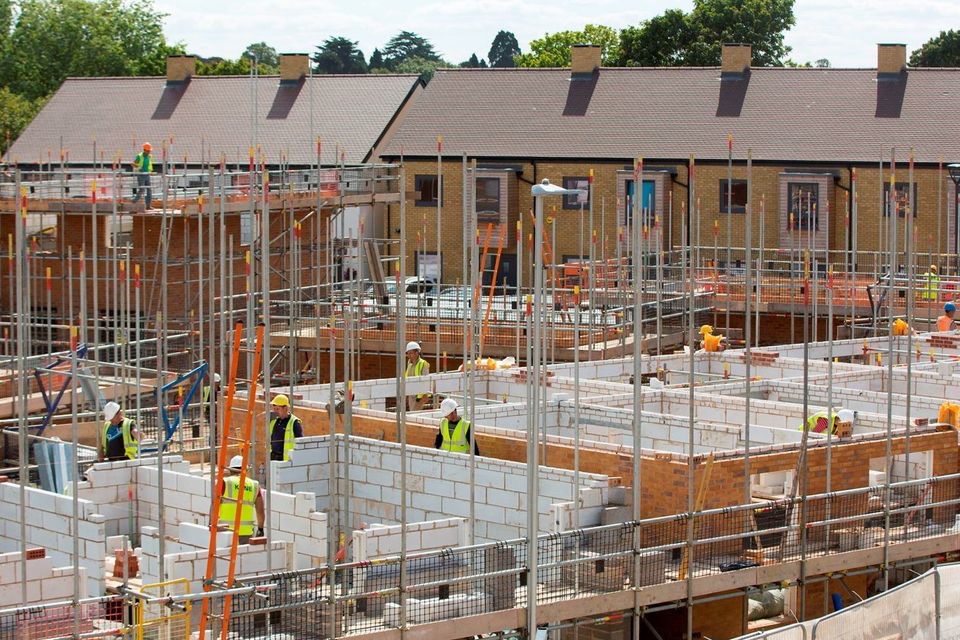
- Encouraging New Developments: To address the root causes of rent pressure, increasing the overall supply of housing is crucial. Streamlining the permitting process for new residential developments can expedite construction timelines. Additionally, offering tax incentives to developers who build affordable housing can encourage private investment in underrepresented markets.
- Adaptive Reuse of Existing Buildings: Converting under-utilised commercial properties, such as office buildings or warehouses, into residential units can quickly expand housing availability. This approach not only revitalises neighbourhoods but also repurposes existing infrastructure, making it a sustainable option for addressing housing shortages.
- Community Land Trusts: Establishing community land trusts (CLTs) can empower local authorities to take control of land and housing. CLTs acquire land and maintain ownership, allowing for the development of affordable housing while keeping it permanently affordable. This model helps prevent displacement and ensures that future generations have access to stable housing.
Enhancing Tenant Protections
- Strengthening Tenant Rights: Improving tenant protections is essential for fostering a fair rental market. Implementing measures such as just-cause eviction laws can prevent landlords from evicting tenants without valid reasons, providing residents with greater security. Additionally, establishing rent boards can help mediate disputes between landlords and tenants, ensuring equitable resolutions.
- Education and Resources: Providing tenants with resources and education on their rights can empower them to advocate for themselves. Workshops, legal aid, and informational materials can equip renters with the knowledge they need to navigate the rental market and understand their options in times of crisis.
Collaborative Approaches
- Public-Private Partnerships: Collaboration between government entities, non-profits, and private developers can create innovative solutions to housing challenges. By pooling resources and expertise, these partnerships can develop affordable housing projects that meet community needs while ensuring financial viability.
- Community Engagement: Engaging local residents in the planning process is vital for creating housing solutions that reflect the needs of the community. Inclusive dialogues can identify specific challenges and opportunities within rent pressure zones, leading to more effective and tailored policy interventions.
Finally
Easing rent pressure zones requires a multifaceted approach that addresses both immediate needs and long-term sustainability. By implementing strategic policy interventions, increasing housing supply, enhancing tenant protections, and fostering collaboration among stakeholders, we can create a more equitable rental market. Ultimately, the goal is to ensure that all residents have access to safe, affordable housing, regardless of the economic pressures that may arise.
Through collective action and innovative thinking, communities can navigate the complexities of rent pressure zones and work towards a more sustainable and inclusive housing landscape.
 Killeigh Media